Home›Ingredients›Bitter Melon
Ingredient 5 of 14
Bitter Melon In GlycoAid
A vegetable that half the world eats for dinner and the other half buys in a capsule. The research is more mixed than either side admits.
Bitter Melon: Source And Background
Bitter melon, or bitter gourd, is the fruit of Momordica charantia, a climbing vine grown across India, China, southeast Asia, Africa and the Caribbean. It looks like a warty cucumber and it is genuinely, aggressively bitter.
It is a staple food, not a curiosity. In many households it appears weekly, which means the long-term safety picture at food amounts is better understood than for most botanicals on this label.
Supplements use the fruit, sometimes the seed, dried and powdered or extracted. The active compounds credited include charantin, vicine and a protein called polypeptide-p.
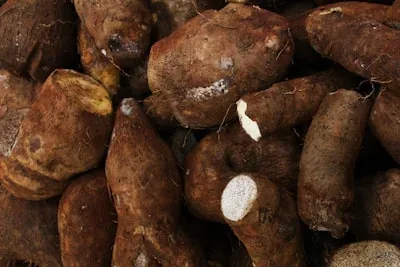
One of fourteen names inside the 500 mg GlycoAid blend
Verdict: Weak to moderate. The trials disagree and the doses are large.
Its Job In What Is GlycoAid
Several mechanisms are proposed, which is usually a sign none of them is settled. Polypeptide-p has been described as insulin-like. Charantin may increase glucose uptake. Other compounds appear to affect enzymes involved in carbohydrate handling in the gut.
What this adds up to is a plant that plausibly does something and has never been pinned down. Alongside it on this panel, Gymnema Sylvestre brings a taste-level effect and Berberine brings the best-characterised pathway of the fourteen.
How Good Is The Evidence?
Fasting glucose: weak to moderate, and inconsistent. Several randomised trials exist. Some report reductions comparable to a low dose of an oral medicine, others find nothing. Reviews generally conclude the evidence is insufficient.
HbA1c: weak. Where measured, changes are small.
A trial that compared bitter melon against metformin found metformin clearly better, which is a useful reference point for how large the effect is not.
The most honest summary available is the NCCIH position: the research does not support bitter melon for diabetes, and the studies have generally been small or poorly designed.
Dose, Timing And What Is Printed
Trials have used 2,000 to 3,000 mg a day of fruit extract, and some used considerably more. That is four to six times the total weight of this blend.
Whatever bitter melon is in this capsule is therefore a fraction of a studied dose. Eating the vegetable, if you like it, delivers more than a shared capsule ever will and brings fibre and potassium along with it.
Who Should Check First
Glucose medication. One of the more credible additive risks on this panel, since bitter melon has been compared directly against oral glucose drugs.
The seeds. Bitter melon seeds contain vicine, which can trigger haemolytic anaemia in people with G6PD deficiency. This is genuinely important for anyone of Mediterranean, African or southeast Asian descent who has that condition.
Pregnancy. Avoid. Bitter melon has traditional use as an abortifacient and there is animal data supporting the concern.
Digestive upset. Cramping and diarrhoea at higher doses.
Two Claims This Is Not
Not a substitute for medication. The one head-to-head trial against metformin settled that question in metformin’s favour.
Not the same as the vegetable. An extract in a capsule and a stir-fried gourd are different things, and only one of them also feeds you.
This is not medical advice. Any prescription, pregnancy, breastfeeding or diagnosed condition means a word with a doctor or pharmacist before a first capsule. Every interaction worth raising is tabulated on the safety page.
Bitter Melon: What People Ask
What readers want to know about this name in particular.
Does bitter melon lower blood sugar?
Some trials say yes and others find nothing, and the reviews generally conclude the evidence is insufficient. Where an effect was found it was smaller than metformin's.
Is bitter melon safe to eat?
As a vegetable it is eaten routinely across Asia and Africa. The seeds are the part with a real caution, because of vicine and G6PD deficiency.
Can I eat the vegetable instead?
If you like it, yes, and you will get more of it that way than from a shared capsule, plus fibre and potassium.
Why is it in a blend at all?
Reputation. Bitter melon is one of the best-known traditional blood sugar plants, which makes it a commercial inclusion as much as a formulation one.
The Remaining Thirteen
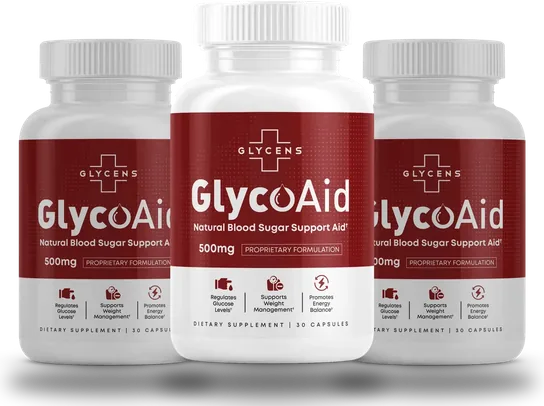
GlycoAid: Fourteen Names, One Capsule A Day
One capsule with a meal, a page for every name on the label, and sixty days to send it back if it does nothing.
- One capsule a day, taken with food
- Fourteen names, every one with its own page here
- Free US delivery on the 3 and 6 bottle packs
- Sixty days to send it back, opened bottles included