Home›Ingredients›Turmeric Root
Ingredient 10 of 14
Turmeric Root In GlycoAid
One of the most-studied plant compounds on earth, held back by a problem this formula does nothing to solve.
Turmeric Root: Source And Background
Turmeric is the rhizome of Curcuma longa, a ginger relative grown across India and southeast Asia. It is the yellow in curry powder and the colour in mustard.
The compounds credited are curcuminoids, of which curcumin is the main one. Raw turmeric root is only about two to five per cent curcuminoids by weight, so supplements normally use an extract standardised to 95 per cent.
"Turmeric root" on a panel without a curcuminoid percentage attached usually means the powder rather than the extract, which is a twenty-fold difference in the compound that matters.
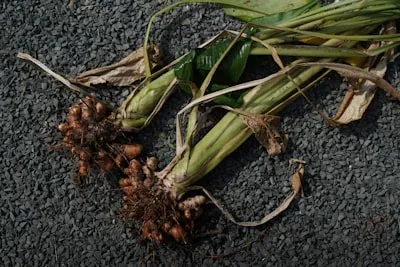
One of fourteen names inside the 500 mg GlycoAid blend
Verdict: Moderate as an anti-inflammatory at proper doses. Weak here, and poorly absorbed.
Its Job In What Is GlycoAid
Curcumin acts on inflammatory signalling, most notably NF-kappaB, and it is an antioxidant. Chronic low-grade inflammation is part of the picture in insulin resistance, which is the reasoning behind putting turmeric on a blood sugar panel.
That reasoning is indirect. It is not the same as a demonstrated glucose effect, and this page will not pretend it is.
Alongside it here, Goji Berry brings polyphenols from a different plant family and Alpha-Lipoic Acid covers the oxidative stress angle with a much stronger clinical record.
How Good Is The Evidence?
Inflammatory markers: moderate. Reductions in CRP and similar markers across a number of trials, generally using standardised extract at doses well above what this blend can hold.
Joint pain: moderate. This is where the best clinical data sits.
Glucose markers: weak. Some trials report improvements. Reviews are cautious, and the doses used were large.
Almost everything else claimed for it: not established. Turmeric attracts more overstatement than any other supplement ingredient, and the gap between the laboratory literature and the human outcome literature is enormous.
Dose, Timing And What Is Printed
Trials use 500 to 1,500 mg a day of extract standardised to 95 per cent curcuminoids. Some go higher. Even 500 mg is the entire weight of this blend.
The absorption problem. Curcumin on its own is absorbed very poorly — it is fat soluble, unstable at intestinal pH, and rapidly metabolised by the liver. Most of a dose never reaches the bloodstream in a useful form.
The standard fix is piperine, the alkaloid in black pepper, which slows that liver clearance and raises curcumin blood levels dramatically. Other approaches use phospholipid or liposomal formulations.
GlycoAid does not list black pepper or piperine. That is worth knowing, because it means whatever turmeric is in here is both a small amount and a poorly absorbed one. The absorption article covers it in full.
Who Should Check First
Gallbladder disease. Turmeric stimulates bile flow. Anyone with gallstones or a bile duct obstruction should avoid it.
Anticoagulants. Curcumin has mild antiplatelet activity. Combined with warfarin or similar, it belongs in a conversation with a prescriber.
Iron absorption. Curcumin binds iron and long-term high doses have been linked to reduced iron status in a case report. Relevant to anyone already managing low iron.
Surgery. Stop two weeks beforehand, for the bleeding reason.
Two Claims This Is Not
Not the same as cooking with turmeric. Culinary amounts are small and come with fat and pepper, which is arguably a better delivery system than an unaccompanied capsule.
Not a glucose ingredient. Its real evidence is in inflammation and joints. Putting it on a blood sugar panel is a reach, and this page grades it accordingly.
This is not medical advice. Any prescription, pregnancy, breastfeeding or diagnosed condition means a word with a doctor or pharmacist before a first capsule. Every interaction worth raising is tabulated on the safety page.
Turmeric Root: What People Ask
What readers want to know about this name in particular.
Why is curcumin so badly absorbed?
It is fat soluble, unstable at intestinal pH and cleared very fast by the liver. Most of an unaccompanied dose never reaches the bloodstream in a usable form.
Does GlycoAid contain black pepper?
Not on the declared ingredient list. Piperine is the usual fix for curcumin absorption, and its absence means the turmeric here is working uphill.
Does turmeric help blood sugar?
The evidence is weak and indirect, running through inflammation rather than through glucose handling. Its stronger data is in joint pain and inflammatory markers.
Is turmeric root the same as curcumin extract?
No, and the difference is roughly twenty-fold. Raw root is two to five per cent curcuminoids; a standardised extract is ninety-five.
The Remaining Thirteen
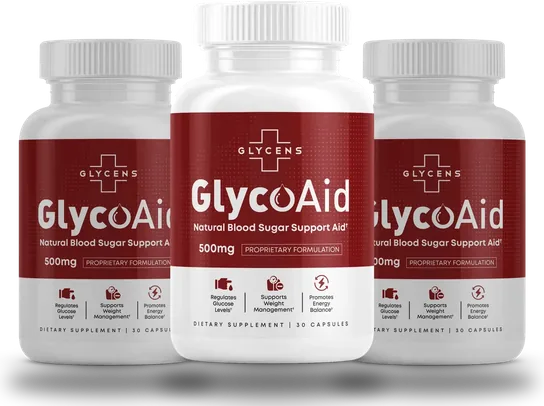
GlycoAid: Fourteen Names, One Capsule A Day
One capsule with a meal, a page for every name on the label, and sixty days to send it back if it does nothing.
- One capsule a day, taken with food
- Fourteen names, every one with its own page here
- Free US delivery on the 3 and 6 bottle packs
- Sixty days to send it back, opened bottles included