Home›Ingredients›Licorice Root
Ingredient 14 of 14
Licorice Root In GlycoAid
Of the fourteen names on this label, this is the one with a published safety limit attached. That makes it the most important page here.
Licorice Root: Source And Background
Licorice is the root of Glycyrrhiza glabra, a legume grown across the Mediterranean, the Middle East and central Asia. It has been used medicinally for at least three thousand years and as a sweet for almost as long.
Its sweetness comes from glycyrrhizin, which is roughly fifty times sweeter than sugar and is also pharmacologically active. That combination — a flavouring that is also a drug — is what makes licorice unusual.
There is a deglycyrrhizinated form, DGL, with the glycyrrhizin removed. DGL is used for stomach complaints and carries none of the cautions below. Panels rarely specify which form is present.
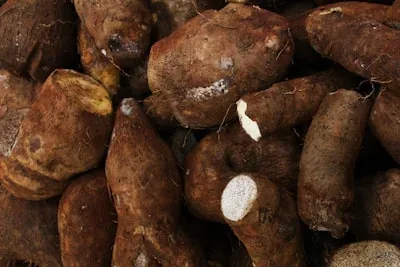
One of fourteen names inside the 500 mg GlycoAid blend
Verdict: Weak for glucose. The safety ceiling is the reason this page exists.
Its Job In What Is GlycoAid
On this label licorice is a flavouring and traditional-use ingredient. It contributes flavonoids and there is some animal work on glucose, and that is genuinely the whole mechanistic case.
Read licorice here as the smaller half of its page. The larger half is the safety section below, and no claim built on this ingredient is worth the space that section takes.
It appears alongside Juniper Berry, another traditional botanical with a kidney note, and Chromium, which is on the panel with an actual published intake figure behind it.
How Good Is The Evidence?
Blood glucose in humans: essentially none. Animal studies exist. Controlled human glucose trials for licorice do not.
Digestive complaints: moderate, for DGL specifically. Which is a different preparation from the one that carries glycyrrhizin.
Antioxidant content: real, like most plants.
No claim is being constructed on this foundation. The reason licorice deserves a full page is entirely the next section.
Dose, Timing And What Is Printed
There is no established effective dose for licorice in glucose, because there is no human trial base. What there is, is a safety threshold.
European food safety guidance suggests that no more than about 100 mg of glycyrrhizin a day should be consumed regularly, and effects have been reported below that in sensitive people. That figure is the useful number on this page.
How much glycyrrhizin is in this blend is not printed and is almost certainly small. The concern is cumulative: this capsule plus a daily licorice tea plus black licorice sweets is a different total from any one of them alone.
Who Should Check First
The mechanism, plainly. Glycyrrhizin inhibits an enzyme that normally protects a receptor in the kidney from cortisol. With that protection reduced, cortisol acts like aldosterone: sodium is retained, potassium is lost, and blood pressure climbs. At sustained intakes this produces headaches, swelling, muscle weakness and, in serious cases, heart rhythm disturbances. Cases requiring hospital treatment are documented in the medical literature.
Avoid entirely if you have high blood pressure, heart failure, a heart rhythm problem, kidney disease or low potassium — unless a doctor has specifically said otherwise.
Diuretics. Water tablets already push potassium down. Licorice pushes it the same way. That combination is the one to avoid.
Digoxin. Low potassium raises digoxin toxicity risk. Genuinely dangerous combination.
Pregnancy. Glycyrrhizin is specifically discouraged in pregnancy, with research linking heavy intake to outcomes in the child.
Corticosteroids. Licorice extends their effect.
Two Claims This Is Not
Not the same as DGL. Deglycyrrhizinated licorice has the active compound removed and carries none of this. If a panel does not say DGL, assume it is not.
Not just a flavouring. It does sweeten, and glycyrrhizin is pharmacologically active. Treating it as a taste ingredient is the mistake this page exists to prevent.
This is not medical advice. Any prescription, pregnancy, breastfeeding or diagnosed condition means a word with a doctor or pharmacist before a first capsule. Every interaction worth raising is tabulated on the safety page.
Licorice Root: What People Ask
What readers want to know about this name in particular.
Why is licorice treated as a safety issue?
Glycyrrhizin blocks an enzyme that shields a kidney receptor from cortisol. The result is sodium retention, potassium loss and rising blood pressure at sustained intakes.
How much licorice is too much?
European guidance points at around 100 mg of glycyrrhizin a day as a regular limit, and sensitive people have shown effects below that.
Should I stop eating black licorice while taking this?
If you eat it regularly, add the two together and mention both to your doctor. The concern is cumulative intake rather than any single source.
Is licorice safe with blood pressure medication?
It works against it. Anyone on blood pressure medication, a diuretic or digoxin should treat this as a conversation with a pharmacist rather than a purchase decision.
The Remaining Thirteen
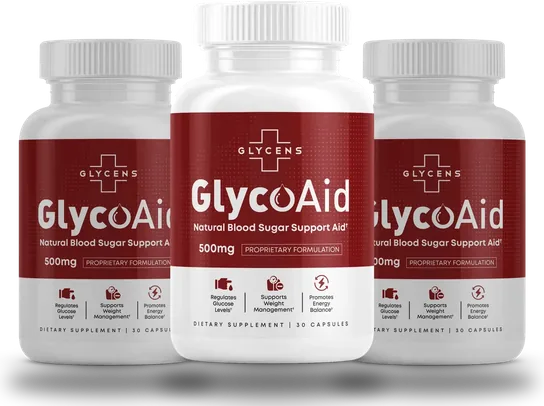
GlycoAid: Fourteen Names, One Capsule A Day
One capsule with a meal, a page for every name on the label, and sixty days to send it back if it does nothing.
- One capsule a day, taken with food
- Fourteen names, every one with its own page here
- Free US delivery on the 3 and 6 bottle packs
- Sixty days to send it back, opened bottles included