Home›Ingredients›Maca Root
Ingredient 12 of 14
Maca Root In GlycoAid
A genuinely interesting plant, on a label it does not really belong to. This page is honest about which of those two facts matters more.
Maca Root: Source And Background
Maca is a root vegetable from the high Andes of Peru, grown above 4,000 metres in conditions that would kill most crops. It has been cultivated and eaten there for thousands of years, usually dried and then boiled or milled into flour.
It comes in colours — yellow, red and black — and there is some evidence the colours differ in their effects, with black maca studied most for cognition and red for prostate.
Supplements use dried root powder or a gelatinised version, where heat and pressure remove the starch and make it easier to digest.
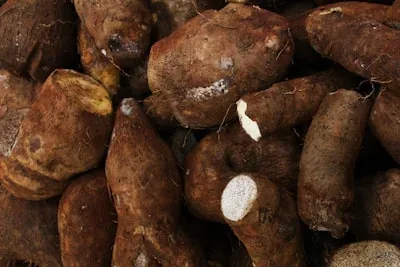
One of fourteen names inside the 500 mg GlycoAid blend
Verdict: Moderate for energy and mood. No meaningful glucose evidence at all.
Its Job In What Is GlycoAid
Maca is described as an adaptogen, a loose term for plants said to help the body cope with stress. Its studied effects are on subjective energy, mood and sexual function, and the mechanism is not well characterised. It does not act on hormones directly despite frequent claims that it does.
On a blood sugar panel its role is supportive at best: it is here for the energy claim on the front of the bottle rather than for anything glucose-related.
It sits beside Juniper Berry, another traditional botanical with limited human data, and Goji Berry, which at least contributes measurable polyphenols.
How Good Is The Evidence?
Sexual function and libido: moderate. Several small randomised trials report improvements. This is maca’s best-supported use by a distance.
Mood and subjective energy: weak to moderate. Some positive trials, small and short.
Menopausal symptoms: weak. Mixed results.
Blood glucose: no meaningful human evidence. There is essentially nothing here, and this site is not going to invent it.
Note what that means. Maca might genuinely do something for you. It is very unlikely to be the thing this product is sold for.
Dose, Timing And What Is Printed
Trials generally use 1,500 to 3,000 mg a day of dried root powder. That is three to six times the total weight of this blend.
So maca here is a token inclusion by any reasonable reading. If maca is what you actually want, it is cheap and widely available as a standalone powder at proper doses, and you would get vastly more of it that way.
Who Should Check First
Thyroid. Maca is a brassica, related to broccoli and cabbage, and contains glucosinolates. In large amounts these can interfere with iodine uptake. Anyone with a thyroid condition should mention it.
Hormone-sensitive conditions. The evidence that maca affects hormones is weak, and the standard caution persists anyway.
Pregnancy and breastfeeding. Not enough data at supplement doses. As a food in Peru it is eaten routinely, which is a different exposure.
Sleep. Some people report stimulation. Morning dosing avoids it.
Two Claims This Is Not
Not a blood sugar ingredient. Its research base points somewhere else entirely, and a formula that leans on maca for a glucose claim is leaning on nothing.
Not a hormone. Maca contains no hormones and there is no good evidence it alters hormone levels, whatever the marketing says.
This is not medical advice. Any prescription, pregnancy, breastfeeding or diagnosed condition means a word with a doctor or pharmacist before a first capsule. Every interaction worth raising is tabulated on the safety page.
Maca Root: What People Ask
What readers want to know about this name in particular.
Does maca help blood sugar?
There is no meaningful human evidence that it does. Its studied effects are on libido, mood and subjective energy.
What is maca actually good for?
Sexual function has the best support, from several small randomised trials. Mood and energy have weaker but not absent evidence.
How much maca is in GlycoAid?
Not printed, and certainly far below the 1,500 to 3,000 mg used in trials, since that is several times the whole blend.
Does maca affect hormones?
There is no good evidence that it changes hormone levels, despite it being one of the most repeated claims about the plant.
The Remaining Thirteen
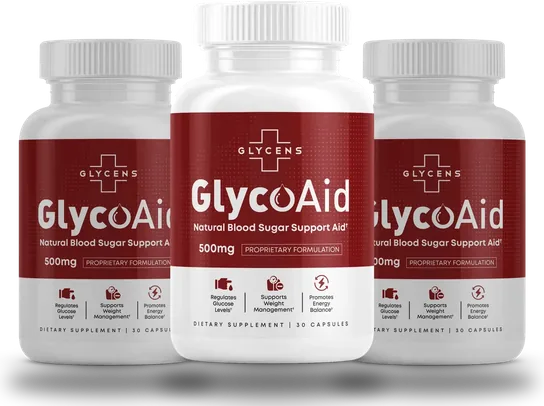
GlycoAid: Fourteen Names, One Capsule A Day
One capsule with a meal, a page for every name on the label, and sixty days to send it back if it does nothing.
- One capsule a day, taken with food
- Fourteen names, every one with its own page here
- Free US delivery on the 3 and 6 bottle packs
- Sixty days to send it back, opened bottles included